

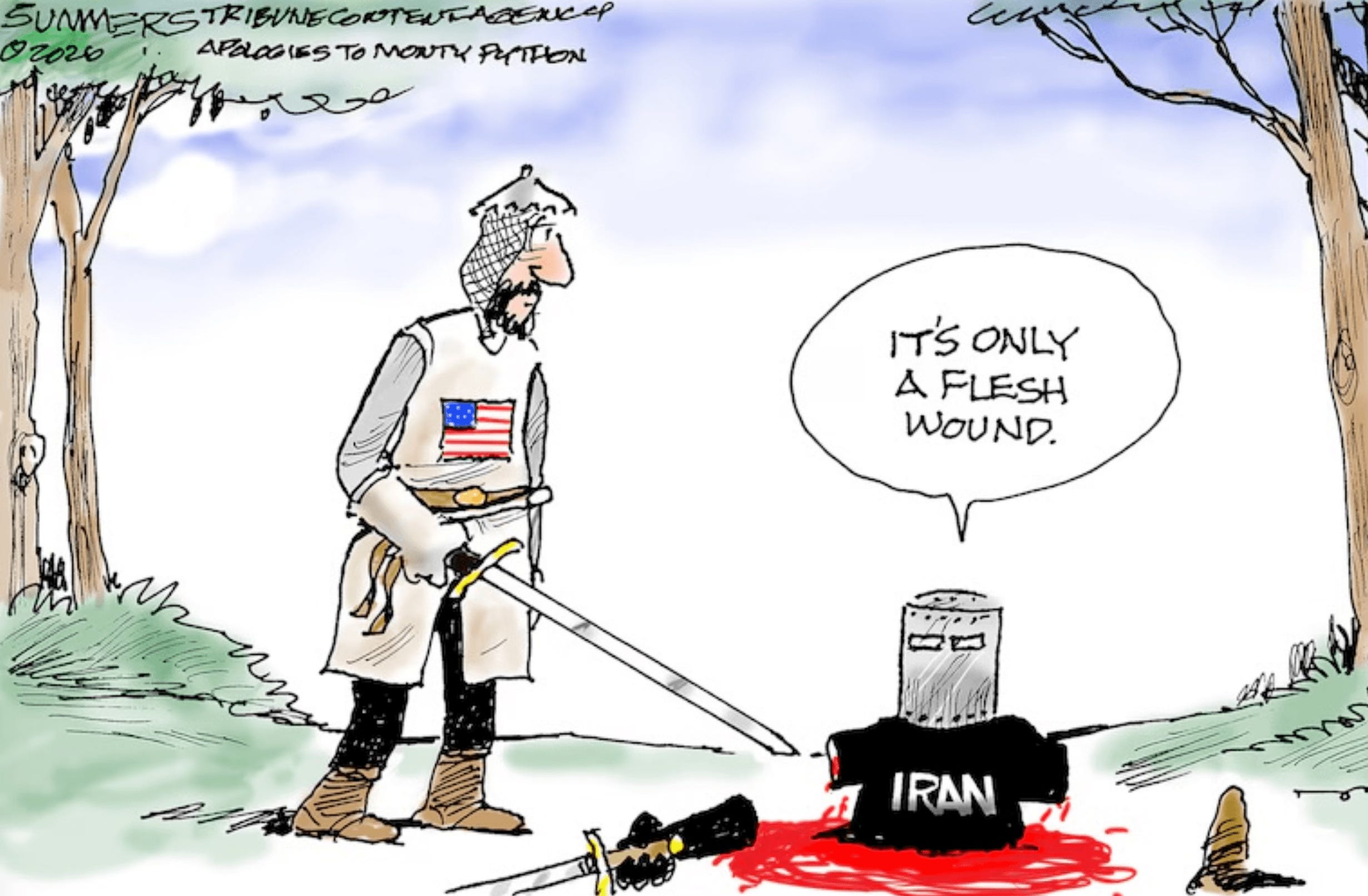
No Monty Python scene sticks in the mind quite like the Black Knight sketch — not for the blood and gore, but for the knight’s delusional arrogance. With each limb King Arthur lops off, the Knight insists it’s “just a flesh wound.” Finally, reduced to a torso on the ground but with the bravado of an Ayatollah threatening death to all who trespass, he declares, “I’ll bite your legs off!”
John Cleese explained the absurd moral: “If you never give up, you can’t possibly lose.” It works in comedy, not foreign policy. Yet a drumbeat of voices plays the Black Knight straight — insisting that what’s left of Iran’s war machine is ‘just a flesh wound,’ and that the real danger is us.
Strip away the chyrons and hashtags, and something remarkable has happened.
The United States and Israel have accomplished what four American presidents of both parties said must be done: crippling Iran’s nuclear and missile programs and eliminating the men who built them. Every administration agreed in principle, though none delivered—until now.
Even the Qatari-funded Al Jazeera admits the obvious: “The US-Israeli strategy against Iran is working. Here is why” — every aspect of Iran’s ability to project regional power is being successfully degraded.
For decades, Iran’s theocracy has waged a shadow war against America through proxies, bombings, and terror that killed thousands of our citizens — a toll no president fully answered.
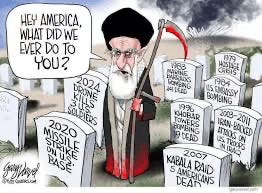
Now much of the media and political class is responding with the foreign-policy equivalent of “’Tis but a scratch.” The strike was reckless. The threat wasn’t imminent. We’re sliding into another forever war. The real danger, we’re told, is that we acted at all.
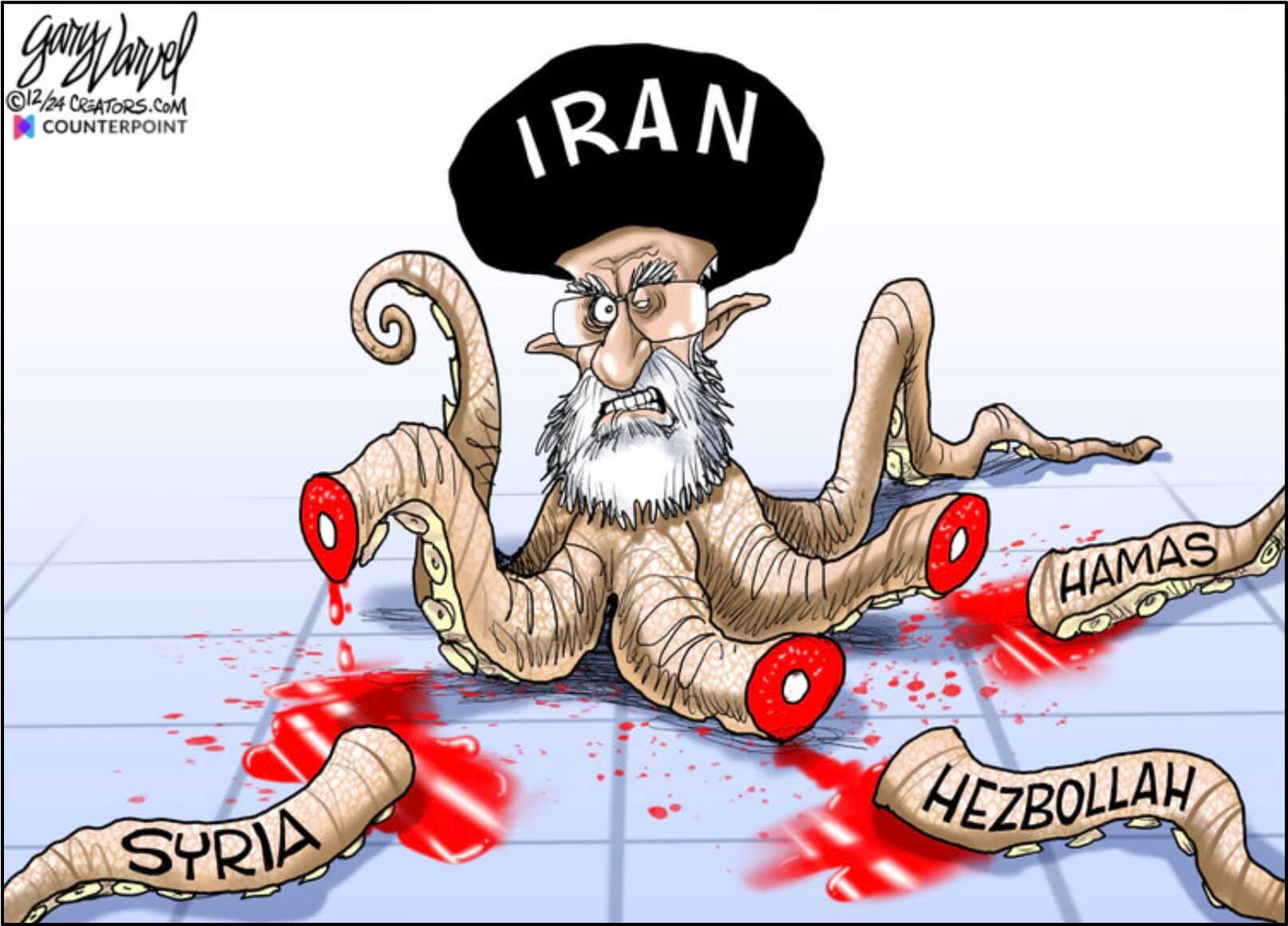
Yet the strikes did far more than hit facilities – they substantially degraded Iran’s network of proxies, severing the “tentacles” that once extended its reach across the region.
Can everyone be wrong?
Asking hard questions about war is essential. But when the tone turns reflexively defeatist — calling action reckless and every outcome a disaster — a question emerges: what if earlier American wars had been covered the same way?
Historian Michael Oren imagined World War II reported the way this conflict is now: Roosevelt dragged America into a fight we were unprepared for, manipulated by Churchill. Long campaigns became endless bloody stalemates. The Normandy invasion? Reckless overreach. The suffering of enemy civilians and damage to the global economy would prove the whole war misguided from the start.
Like Monty Python’s Black Knight, the narrative refuses to adjust.
This is not the war you think it is
Part of what makes the reaction so predictable is that too many are still fighting the last war.
For a generation, “war in the Middle East” has meant one thing: Iraq and Afghanistan – invasions, nation-building, occupations that slid into quagmires. The word “war” now triggers “here we go again.”
But if the war in our heads is not this war, how can we judge it fairly?
There are no divisions marching into Tehran, no fantasy of turning Iran into a liberal democracy overnight, no vague “freedom agenda” stretching into decades.
For forty years, presidents of both parties shared a narrow, concrete objective: stop Iran from crossing the nuclear threshold. They warned, sanctioned, negotiated — but none pulled the trigger. Until now.
In days — not months — precision strikes degraded facilities debated for decades and killed commanders who openly vowed to wipe countries off the map, using real-time intelligence, hardened-site weapons, and advanced drones.
The result: disarmed leaders and a shattered command structure.


This was targeted degradation of an existential threat, not open-ended nation-building.
Yet headlines leapt from achievement to catastrophe. Risks of action got wall-to-wall coverage; risks of inaction – a nuclear Iran holding veto power over the region’s stability, energy flows, and allies – not so much.
Here is the narrative refusing to update:


“Imminent Threat” — or just another flesh wound?
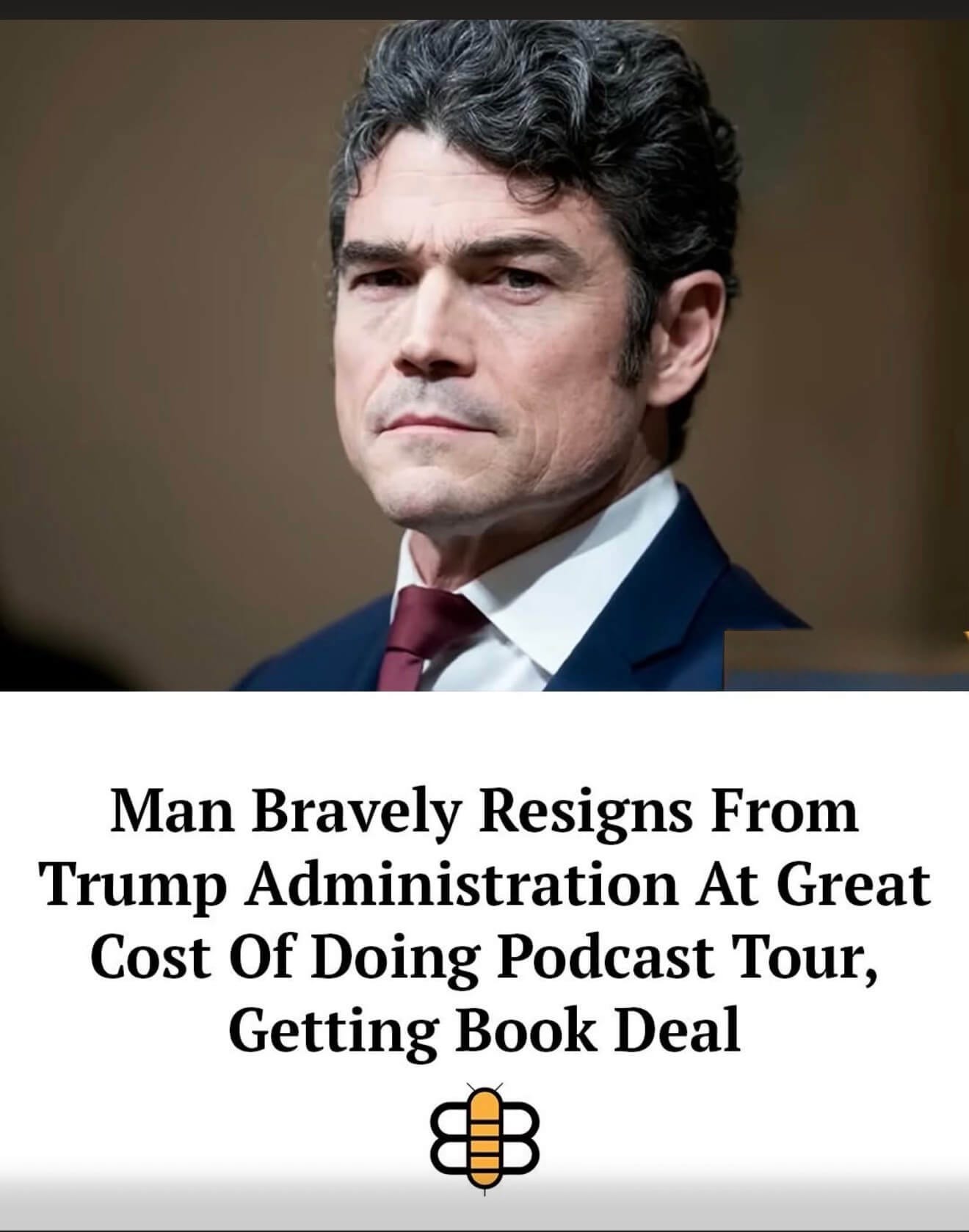
When Joe Kent resigned as National Counterterrorism Center Director, he cited opposition to the war, insisting “Iran posed no imminent threat to our nation.” It was surprising, given his 2020 advice to President Trump to “wipe Iran’s ballistic capability out” and his confidence that Trump “has a plan” and has “earned the confidence of any clear-eyed observer.”
The next day, he explained his about-face on Tucker Carlson’s show. The Babylon Bee promptly lampooned the move as a bold career pivot.
Kent’s claim echoes a common objection to the strike.
Free societies should be reluctant to use force. If recent wars taught us anything, it is to demand evidence, question assumptions, and resist fear-driven action. But how do we define imminent so that timely prevention is still possible?
In the real world, “imminent” rarely looks like a clean warning. It looks more like the Black Knight bleeding on the ground, insisting he’s fine – as Iran is now doing.
Is “imminent” the moment the gun touches your temple, when your options are zero?
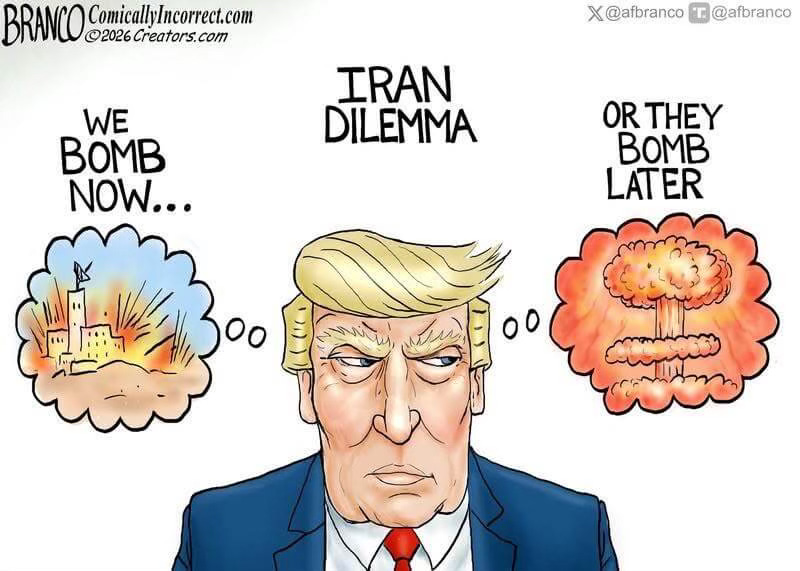
Or the moment the gun has been aimed at you for decades, the shooter has declared his intentions, and every attempt to disarm him has failed?
We assume our adversaries think as we do — weighing costs and choosing survival. That assumption drove policies like sanctions, negotiations, olive branches, and the belief that other governments want stability, not confrontation.
After the 2015 nuclear deal, President Obama predicted Iran would moderate and that sanctions relief would improve the lives of the Iranian people. Instead, the world’s leading state sponsor of terrorism used that money to fuel missile technology, nuclear facilities, Hezbollah, the Houthis, Hamas, and terror cells around the world.
With Iranian missiles now targeting civilians in neighboring countries, can we admit this pattern is not an aberration but the regime’s strategy?
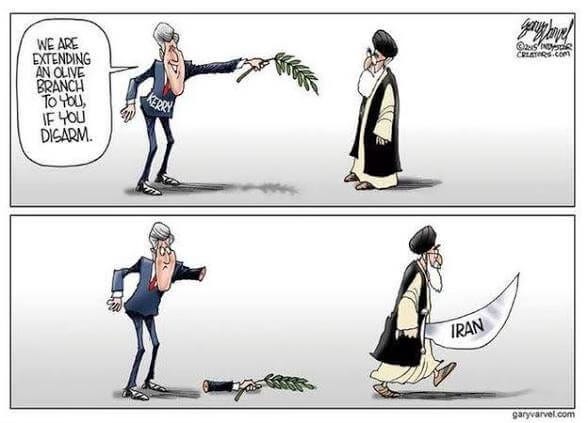
Iran’s leaders have never hidden their apocalyptic worldview nor their revolutionary ambition to remake the world under jihadist Islam. They are rational within a perverted moral universe that places ideological triumph above human life and even their own survival.
That is why demanding an “imminent threat” misleads. A regime that advances patiently to outlast enemies — testing limits, building capability, funding proxies — will never deliver the clear warning we crave.
By then, prevention is off the table. Only management remains.
We saw this with North Korea: once it crossed the nuclear threshold, the debate shifted from prevention to containment.
Unlike North Korea, Iran is the world’s largest state sponsor of terrorism, with global proxy networks that could escalate asymmetrically with virtual impunity, hanging us by the noose we enabled them to build.
Iran fired missiles at a US–UK military base on Diego Garcia — a range far greater than previously demonstrated, and far enough to reach Europe and beyond — previewing the leverage of a nuclear-armed regime.
Even a wounded Iran, like the Black Knight, can remain dangerously confident. Put a nuclear‑tipped sword in that torso’s mouth and it can still blackmail the world, coerce neighbors, or unleash terror with impunity. A regime that retains or rebuilds nuclear leverage leaves us with no good choices, only the grim possibility that nuclear weapons will be used again for the first time since World War II.
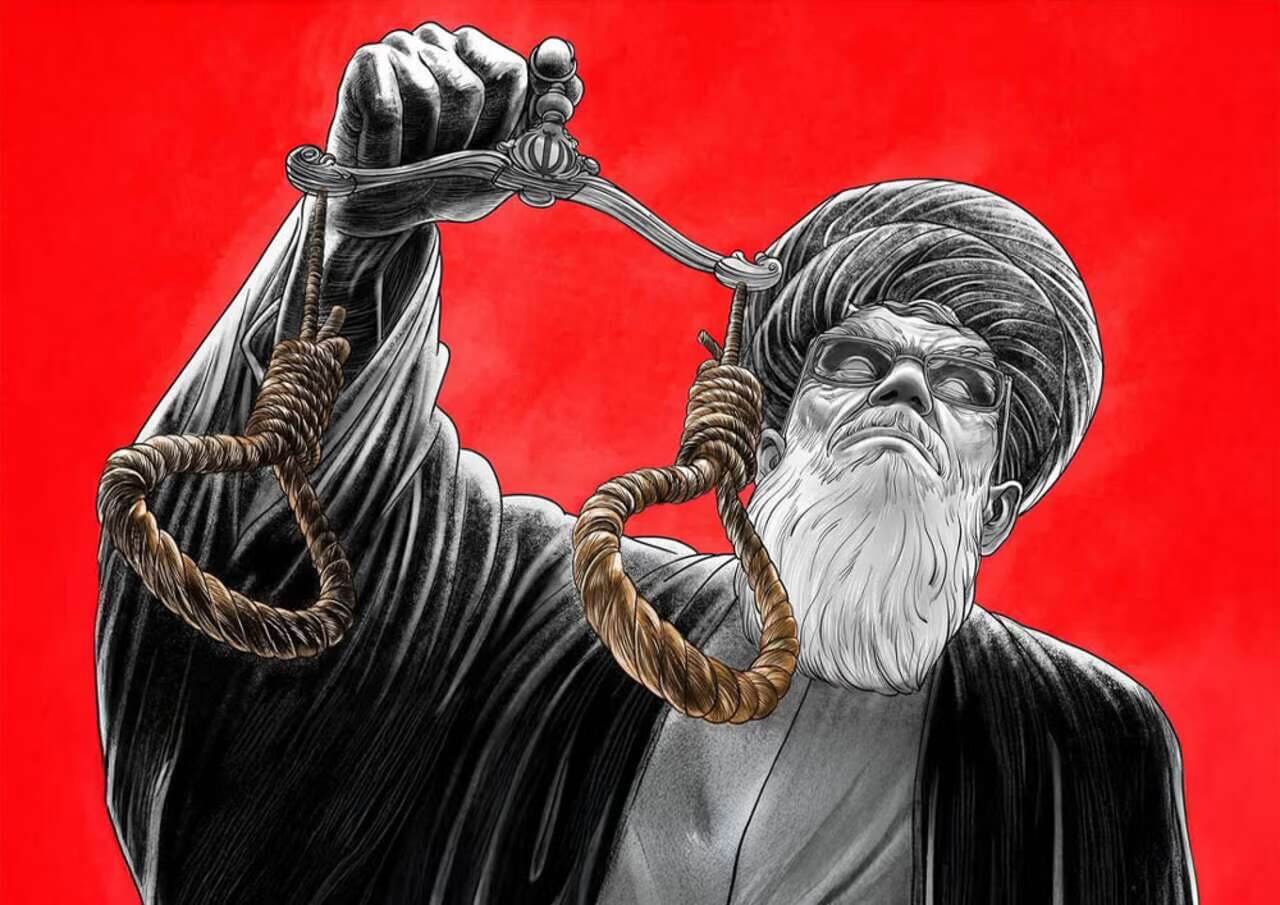
A Wounded Regime Still Deadly
Christopher Hitchens recalled that when the young United States faced Barbary pirates killing and enslaving American sailors, their ambassador cited the Quran as justification. President Jefferson’s answer was not negotiation — it was the navy on the shores of Tripoli. He ended the threat. That is the choice free societies face: manage barbarity indefinitely or end it.
In prosperous and secure societies, it becomes easy to forget how brutal the world can be.
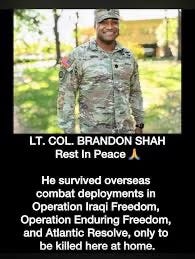
Over the decades, Americans have paid in blood for this militant ideology. Recently at Old Dominion University, Lt. Col. Brandon Shah, a decorated Army officer and ROTC professor, was murdered when he placed himself between an attacker shouting “Allahu Akbar” and his students, giving them time to escape.
To understand the regime, look at how it treats its own people.
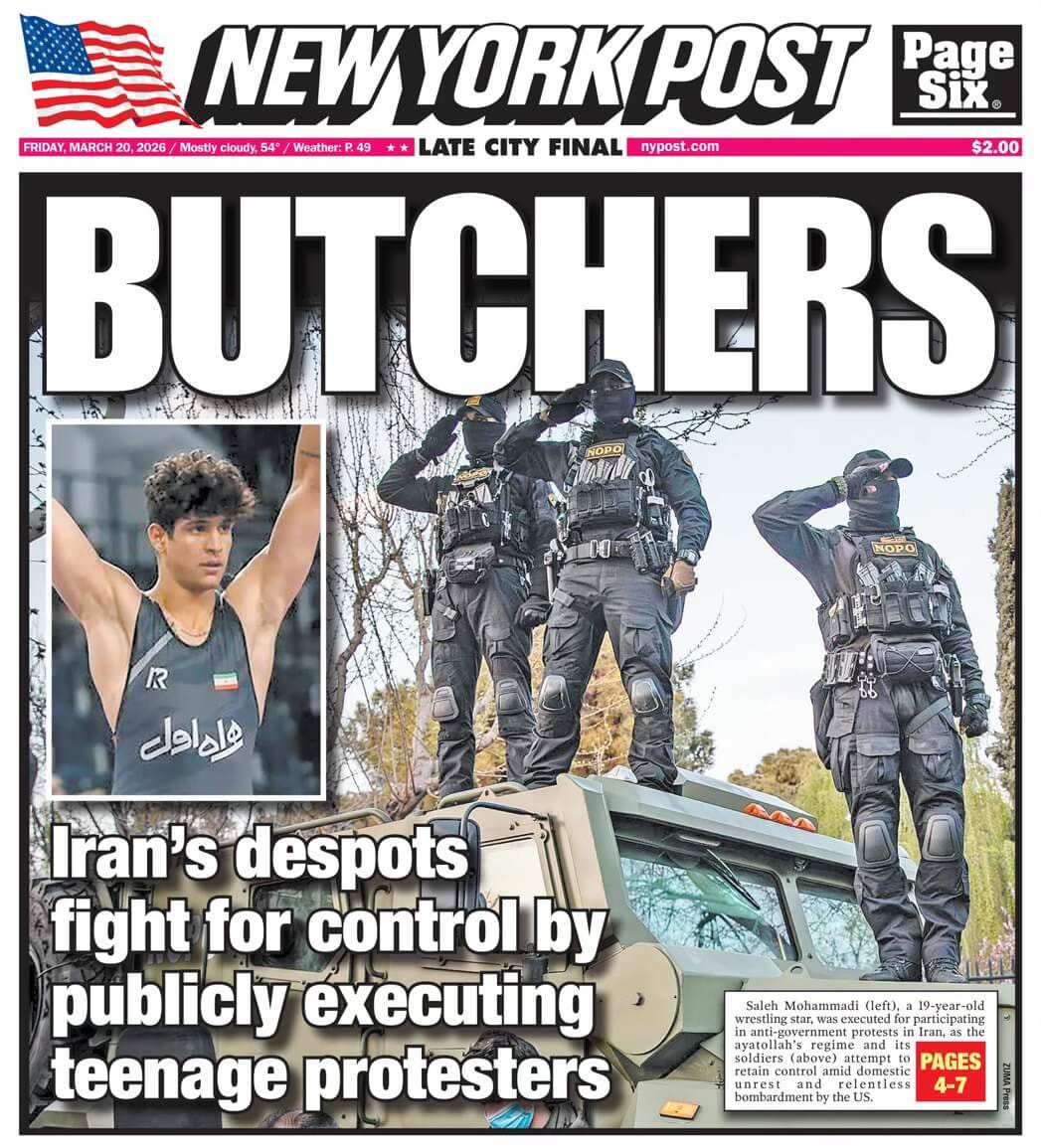
Protesters, including a national wrestling champion, are being executed. A government that kills its young athletes to maintain power will not hesitate to terrorize others.
If we stop short of truly defanging the regime, we leave it with enough power to blackmail and destabilize, forcing free societies into an impossible choice: submit to coercion or risk annihilation.
In this war we may end up with a weakened regime, not a reformed one. But isn’t imperfect victory preferable to a nuclear theocracy that cannot be deterred?
There is no prosperity without security
As America approaches the 250th anniversary of our independence, we face the same question Jefferson did: will we defend the inalienable rights he wrote into the Declaration, or will we tell ourselves that the threat of apocalyptic theocracy is somehow manageable?
We’ve grown safer and measure danger by short-term discomfort — higher gas prices, market jitters — rather than by what happens if the threat is left alone. But there is no prosperity without security.
History teaches that strength compels negotiation; weakness invites escalation. With Iran’s missile capability shattered, its commanders eliminated, and its proxies subdued, all the Gulf nations and most of the world have stood with America.
One hundred thirty-five nations co-sponsored the UN resolution condemning Iran’s attacks. That is the world choosing order over chaos. Strength radiates friendship; weakness repels it.
Even the Palestinian Authority — long supported by Iran — has not condemned the United States or Israel in this war, instead aligning with the Arab states against Iran. When even Tehran’s former clients keep their distance, the world knows who the strong horse is.
The danger is not over. A regime in its death throes, with command and control scattered among IRGC holdouts, may be most dangerous when it is most desperate. The prospect of a nuclear tip on missiles already proven capable of reaching Europe and beyond is not hypothetical — it is the closing argument for why America must finish the job.
We Americans are the luckiest people ever to walk this planet, heirs to a freedom and prosperity no generation before imagined. The question now is whether our children, and their children’s children, will be able to say the same.
Monty Python’s Black Knight insists he is fine even after losing every limb. We like to think we are Arthur, protecting our people and our liberties. We must resist allowing comfort to transform us into the Knight: insisting we are fine amid growing danger.
Are we willing to finish what we started so our posterity inherits the same luck and liberty we enjoy? Or will we tell ourselves, one more time, that Iran’s growing menace is only a flesh wound?
Excellent analysis, Melanie. In other words, I agree with everything you wrote! I hope and pray that most, if not all, our goals are accomplished - before the hostilities cease. The courage of DJT, in spite of legacy media, predictably recalcitrant Democrats (and some spineless Republicans) in Congress, most of academia, pretty much all “celebrities”, several formerly trustworthy members of the independent media, etc., is awe inspiring. Sadly, he’ll never receive the credit he deserves, but the results being achieved are impossible to ignore. When Obama was awarded the Nobel Peace Prize before being sworn in, rendered it meaningless. The memory of pallets of millions in cash delivered by Obama (the naïveté makes me sick), and the BILLIONS of frozen funds released by Biden (after the 2024 election was over, but before he left office), make me bitter, but the bold steps taken by DJT give me hope.
Such a comprehensive, well argued, and well illustrated summation. Brava.